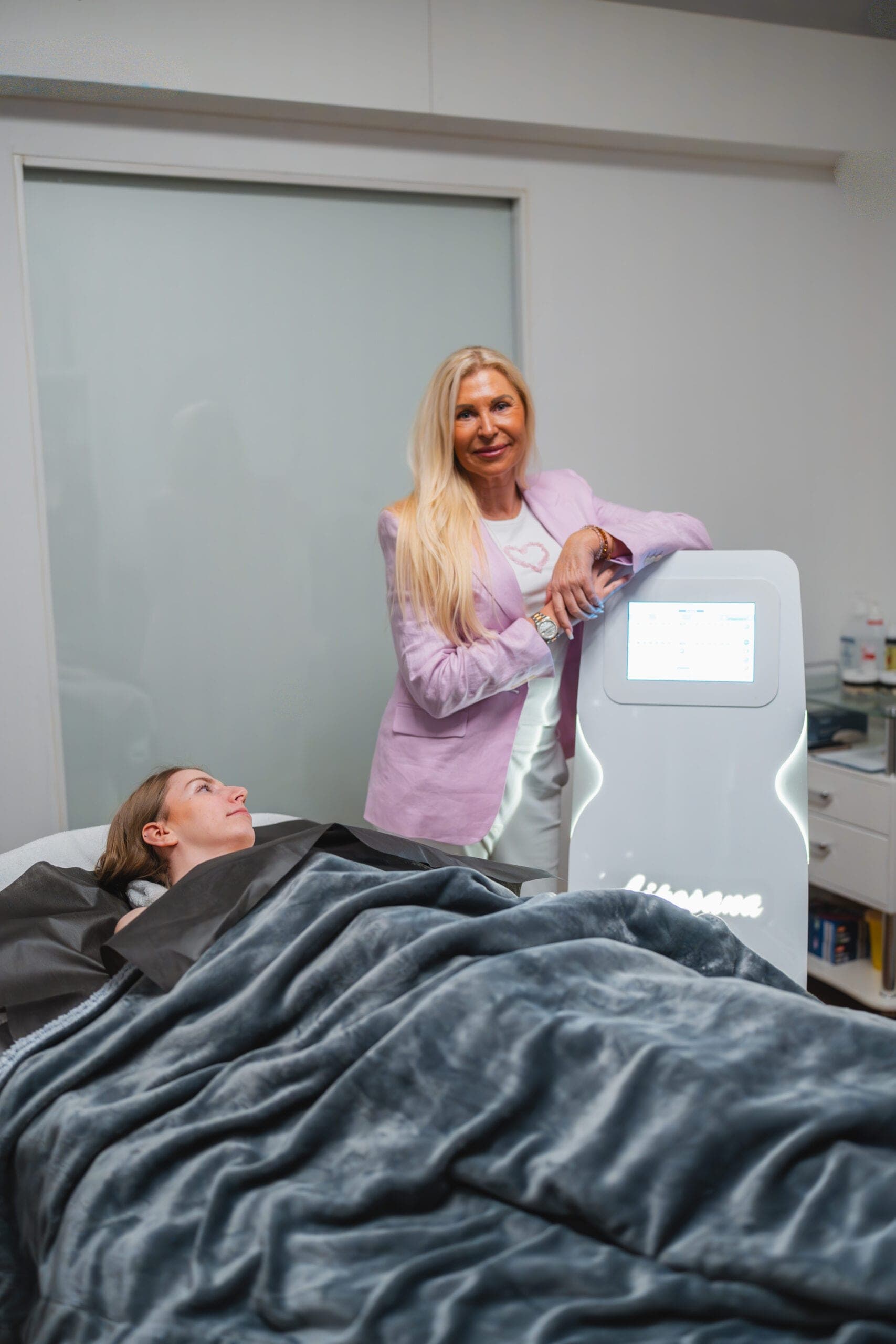
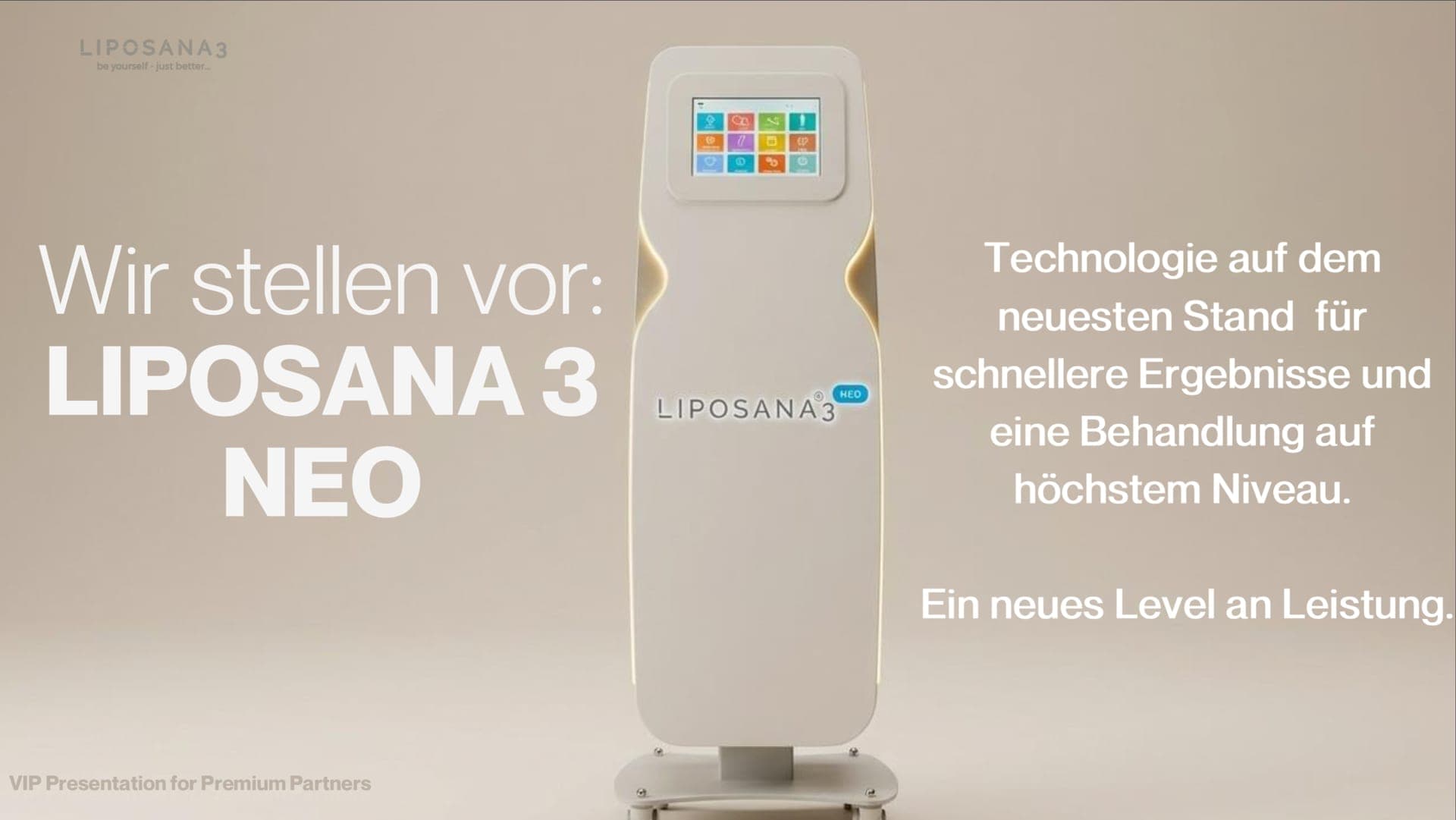
If you are considering ultrasound systems for weight-loss therapy, you should take a few important factors into account:
Frequency: Ultrasound therapy devices for use in fat reduction usually operate at a frequency of 40 kHz to 3 MHz. The higher the frequency, the shallower the penetration depth of the ultrasound into the tissue. A higher frequency is recommended for treating superficial fat, while a lower frequency is preferred for deeper fat deposits.
Intensity: The intensity of the ultrasound should be adjusted individually to achieve maximum effect. Too high an intensity can damage the surrounding tissue, while too low an intensity may have no effect.
Area of application: Make sure that the device is approved for the desired area of application. There are devices for use on various areas of the body, such as the abdomen, thighs or hips.
Safety: Make sure that the device is safe to use. The device should have protective mechanisms to protect the surrounding tissue from damage.
Certification: Make sure that the device is certified and meets the applicable safety standards.
Frequency of use: Make sure that the device is approved for the desired area of application. Using it too often can lead to skin irritation or other undesirable side effects.
It is important to note that ultrasound therapy devices should not be regarded as the sole method of weight reduction. A healthy diet, sufficient exercise and a healthy lifestyle are also important factors for sustainable weight reduction. However, ultrasound therapy devices can be used as additional support for fat reduction. Before using an ultrasound therapy device, however, you should always consult a doctor or a medical professional.
Note: This article is for general information only and does not replace medical advice, diagnosis or treatment.