Frequencies: Invisible vibrations that shape our lives
Whether it's a heartbeat, a brainwave or the complexion – our entire body is a concert of vibrations. Frequencies, measured in hertz (Hz), determine how fast something vibrates. But not all frequencies are the same: the type, intensity and form of these vibrations determine how our organism responds to them. In modern medicine and dermatological aesthetics, this knowledge is now used in a targeted way.
What is frequency medicine?
Frequency medicine is based on the insight that biological systems communicate not only chemically but also electromagnetically.
Instead of introducing active substances, it uses physical waves such as:
ultrasound
light
electric or magnetic fields
These are used in such a way that they stimulate cell communication, support regeneration and activate regulatory processes. Unlike medication, frequencies act non-materially, profoundly and selectively – and can be adjusted individually.
The language of nature: Frequencies in harmony
Even the Earth speaks in vibrations: the Schumann resonance at around 7.83 Hz influences our brainwaves and our sleep. Our body also has its natural rhythms:
Heartbeat: approx. 1 Hz
Breathing: 0.2–0.4 Hz
Alpha brainwaves: 8–12 Hz
These biological frequencies are vital. They structure our health on a subtle level.
When technology interferes: High-frequency fields in everyday life
Our modern everyday life is permeated by technical frequencies:
Wi-Fi & mobile phones: 900 MHz – 2.4 GHz
Induction hobs: 20–60 kHz
Cosmetic radiofrequency: 0.5–10 MHz
Medical ultrasound: 1–15 MHz
Such high intensities and unnatural modulations can irritate or even damage biological cells, especially with continuous exposure.
How do cells respond to frequencies?
Cells are not deaf. They “hear” via membrane voltages, calcium channels and protein receptors. Different cell types respond to different frequency ranges:
Brain cells synchronise via EEG-relevant waves (e.g. alpha, theta)
Muscle cells contract at 10–50 Hz (familiar from EMS devices)
Skin cells respond to radiofrequency with deep heat and collagen formation
Stem cells can be influenced in their division by certain frequencies
When frequencies are used incorrectly
Not every frequency application is healthy. If the intensity or duration is too high, there is a risk of:
Oxidative stress
Mitochondrial dysfunction
Disruption of circadian rhythms
Altered cell communication
In cosmetics, incorrect use of radiofrequency can even lead to burns or nerve damage. Particularly critical: high-intensity focused ultrasound (HIFU), which destroys fat cells, can cause severe inflammation of the connective tissue (panniculitis).
Frequency application with a physiological effect
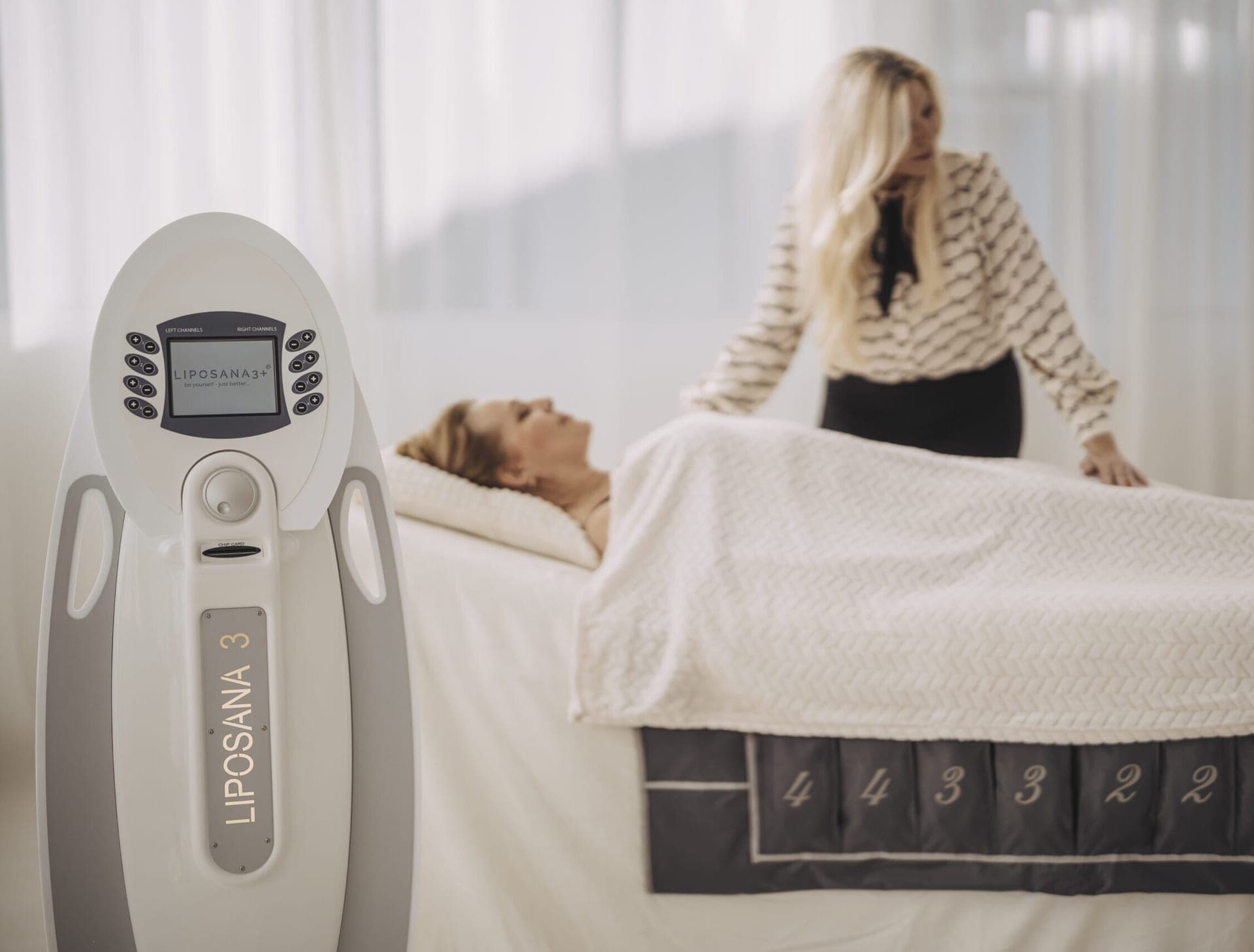
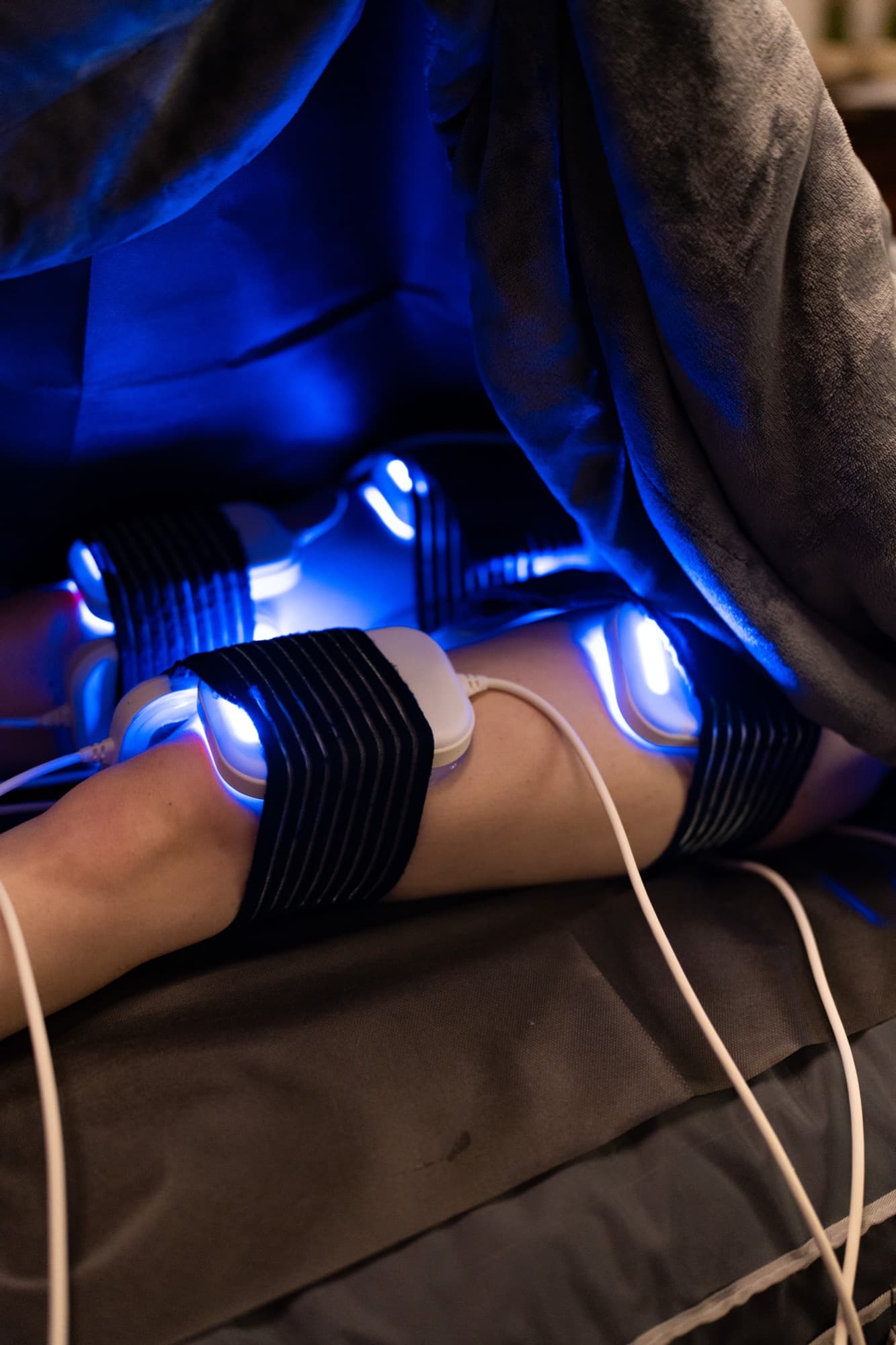
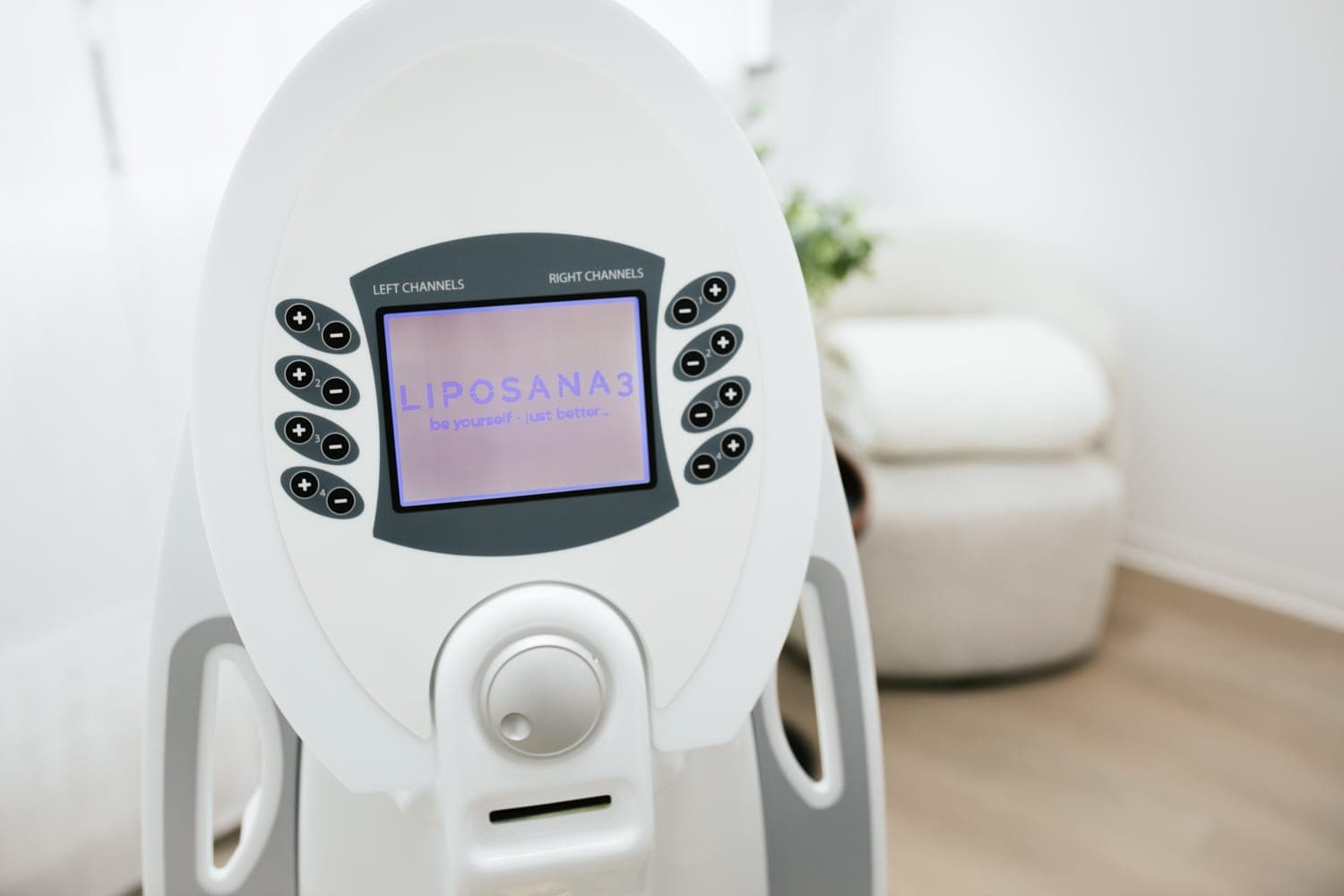
Among other things, LIPOSANA3® uses targeted ultrasound waves to make the fat cell membrane able to vibrate. In the process, triglycerides are released without destroying the cell. This is important, because fat cells are our most efficient energy stores.
This form of frequency application:
is gentle on cells
promotes natural lipolysis
can support long-term effects when combined with a healthy diet
What do cells need to respond healthily to frequencies?
Frequency medicine works best when cell metabolism is functioning optimally. For this, the body needs: