

Body & Metabolism
Why Can't I Lose Weight Despite Dieting? The Hidden Causes in Women Over 40
After 40, the body responds differently: hormones, metabolism, the lymphatic system and stress interact. An overview of the hidden causes.
More and more young women are being diagnosed with lipedema. This article looks at possible causes, risk factors and ways to find support.
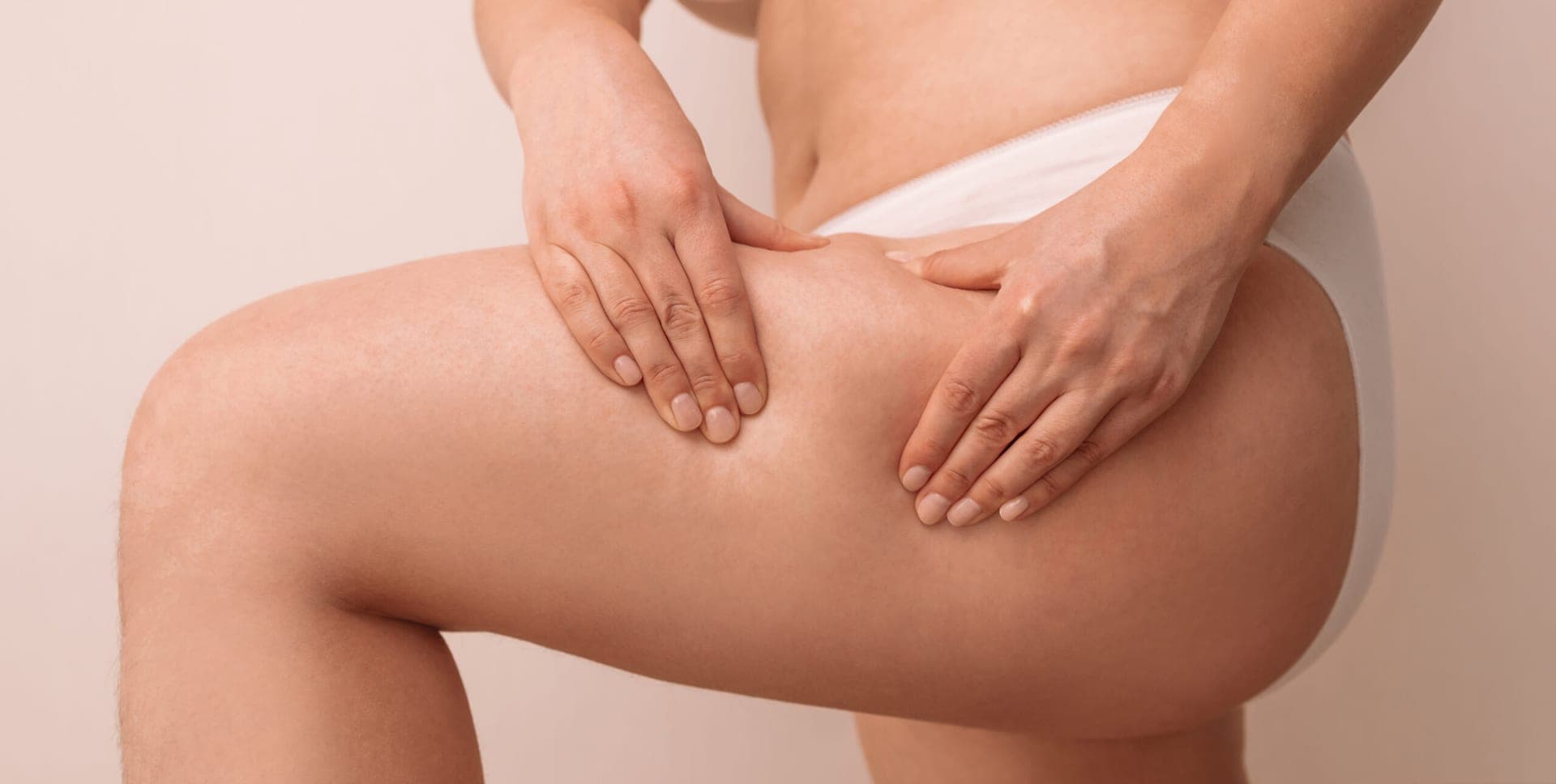
In recent years, the number of diagnosed cases of lipedema, especially among young women, appears to have risen significantly. But what is behind this development? Is it a genuine increase in cases, or rather better awareness and diagnosis? In this article, we shed light on the causes, take a look at possible risk factors and consider how those affected can be supported.
Lipedema is a chronic fat distribution disorder that affects almost exclusively women. It leads to a disproportionate accumulation of fat, particularly on the legs, hips and arms, which is often accompanied by swelling and pain. The condition is frequently accompanied by a feeling of heaviness and increased tenderness to pressure. Many of those affected also report a rapid increase in fatty tissue despite a normal diet and exercise. The symptoms usually appear in phases and often worsen during periods of hormonal change.
Unfortunately, lipedema is often confused with being overweight or obesity. This not only leads to the wrong treatments but also means that those affected have to wait a long time for a correct diagnosis. According to a study by the German Society of Lymphology (Deutsche Gesellschaft für Lymphologie), it takes an average of six years for lipedema to be diagnosed. Awareness of this condition has only improved in recent years, which also explains an increase in documented cases.
The rise in lipedema among young women can be attributed to a variety of factors that are genetic, hormonal and environmental in nature.
A key factor in the development of lipedema is genetic predisposition. Studies show that the condition often runs in families. Women whose mothers or grandmothers are affected have a significantly higher risk of developing lipedema themselves. However, genetic predisposition alone is not enough. It is thought that it is “activated” by certain environmental and lifestyle factors.
Lipedema is closely associated with hormonal changes. The condition appears particularly often during puberty, pregnancy or menopause. These phases are marked by strong fluctuations in oestrogen levels. Oestrogen influences how fat is distributed in the body and could play a role in fat accumulating in the typical lipedema areas. Another point is possible oestrogen dominance, a state in which the ratio of oestrogen to progesterone in the body is disturbed. These hormonal imbalances can increase the risk of lipedema or worsen existing symptoms.
In addition to genetic and hormonal factors, lifestyle also plays a decisive role. Many young women spend large parts of their day sitting, whether at work, at school or at university. A lack of exercise impairs blood circulation and lymph flow – two key factors that can encourage lipedema to progress. On top of this, unhealthy eating habits, such as a high intake of sugar and processed foods, promote inflammatory processes in the body, which have also been linked to the development of lipedema.
In recent years, scientists have begun to investigate the role of environmental factors in the development of hormone-related conditions such as lipedema. Endocrine disruptors – chemicals that can affect the hormonal system – are found in many plastics, cosmetics and foods. Substances such as bisphenol A (BPA) are suspected of disrupting the hormonal balance and thus promoting hormonal disorders.
In a world where social media and the pursuit of a perfect body image play a major role, young women are paying more attention to changes in their bodies. Asymmetrical fat deposits, cellulite or swelling are noticed more quickly today and checked by a doctor. At the same time, awareness of lipedema has risen considerably thanks to information campaigns, posts on social networks and the work of patient organisations. As a result, more of those affected see a doctor, and diagnosis rates are rising.
Although lipedema cannot be cured, there are many ways to relieve the symptoms and improve quality of life. The most important approaches include:
The rising proportion of lipedema among young women is the result of a complex interplay of genetic, hormonal and environmental factors. At the same time, greater awareness and improved diagnosis mean that more of those affected receive help at an early stage. Although the condition cannot be cured, the right support can significantly improve quality of life. It remains important to continue research and education in order to improve understanding of lipedema and the needs of those affected.
Note: This article is for general information only and does not replace medical advice, diagnosis or treatment.
Read more

Body & Metabolism
After 40, the body responds differently: hormones, metabolism, the lymphatic system and stress interact. An overview of the hidden causes.
Body & Metabolism
Why the scales slowly creep up for many women from their mid-30s, even though they hardly eat more – explained in plain language.
Body & Metabolism
Insulin resistance is not a passing fad. What lies behind it, how it develops and what role it plays when it comes to being overweight.