

Body & Metabolism
Why Can't I Lose Weight Despite Dieting? The Hidden Causes in Women Over 40
After 40, the body responds differently: hormones, metabolism, the lymphatic system and stress interact. An overview of the hidden causes.
Why the scales slowly creep up for many women from their mid-30s, even though they hardly eat more – explained in plain language.
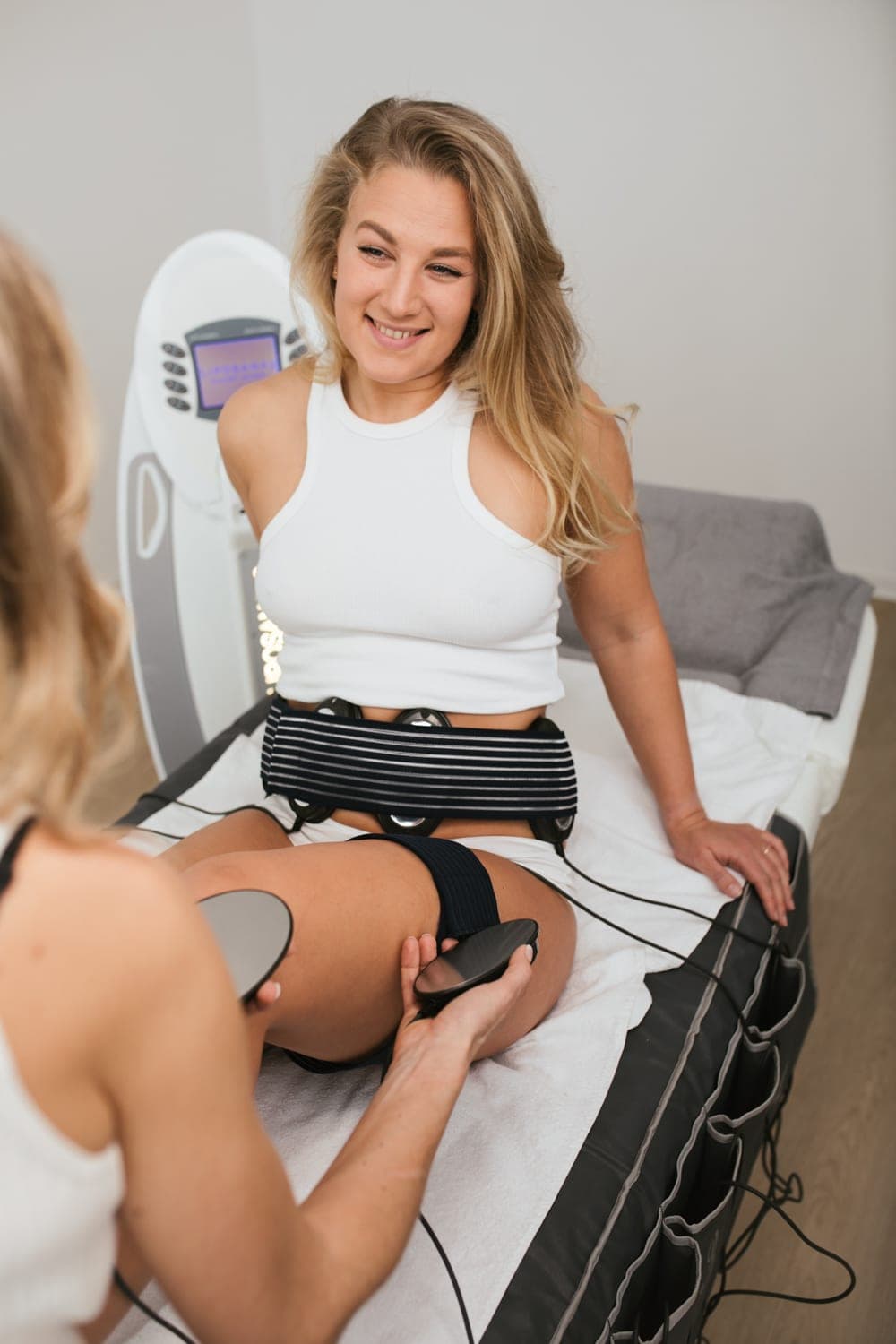
Dear reader, this is no coincidence and it is not your “fault”. In women, gradual weight gain follows a different physiological course than in men – and that is exactly what makes it so treacherous. The body suddenly works against us, even though we aren't doing anything “bad”. Here is the honest but easy-to-understand explanation of why, for many women from around 35, the needle on the scales slowly but surely creeps upwards.
In your 20s and early 30s, high oestrogen levels ensure that fat tends to settle on the bottom and thighs (“good” fat stores for possible pregnancies). From your mid to late 30s, oestrogen levels begin to fluctuate and later slowly decline (perimenopause). What happens?
From around 35–40, progesterone is the first hormone to decline significantly. This leads to:
From 35, women lose approx. 200–300 g of muscle mass per year – if they do nothing about it. Muscles are the engine that burns calories 24 hours a day. Less muscle = 50–100 kcal less basal metabolic rate per day. Doesn't sound like much? Over a year, that adds up to 5–10 kg that the body has “left over” and stores.
In almost every second woman over 40, the thyroid is slightly underactive (subclinical hypothyroidism) without it being immediately noticeable. A 5–10% slower metabolism = another 3–6 kg more per year, even though you eat “normally”.
Job, children, caring for parents, financial worries… cortisol levels remain permanently slightly elevated. Cortisol tells the body: “Hoard fat on the belly, we need reserves for bad times.” At the same time, it blocks fat breakdown on the legs and bottom. The classic result: the apple-shaped belly that only men used to have.
From menopause onwards, many women sleep worse (hot flushes, brooding). Poor sleep = more ghrelin (hunger hormone) and less leptin (satiety hormone). You simply feel hungry more often – especially in the evening – and automatically eat 200–400 kcal more without noticing.
+8 to +15 kilos, even though you “aren't really doing anything differently”. The body has completely changed over – to saving and storing. That's not a lack of discipline, that's biology.
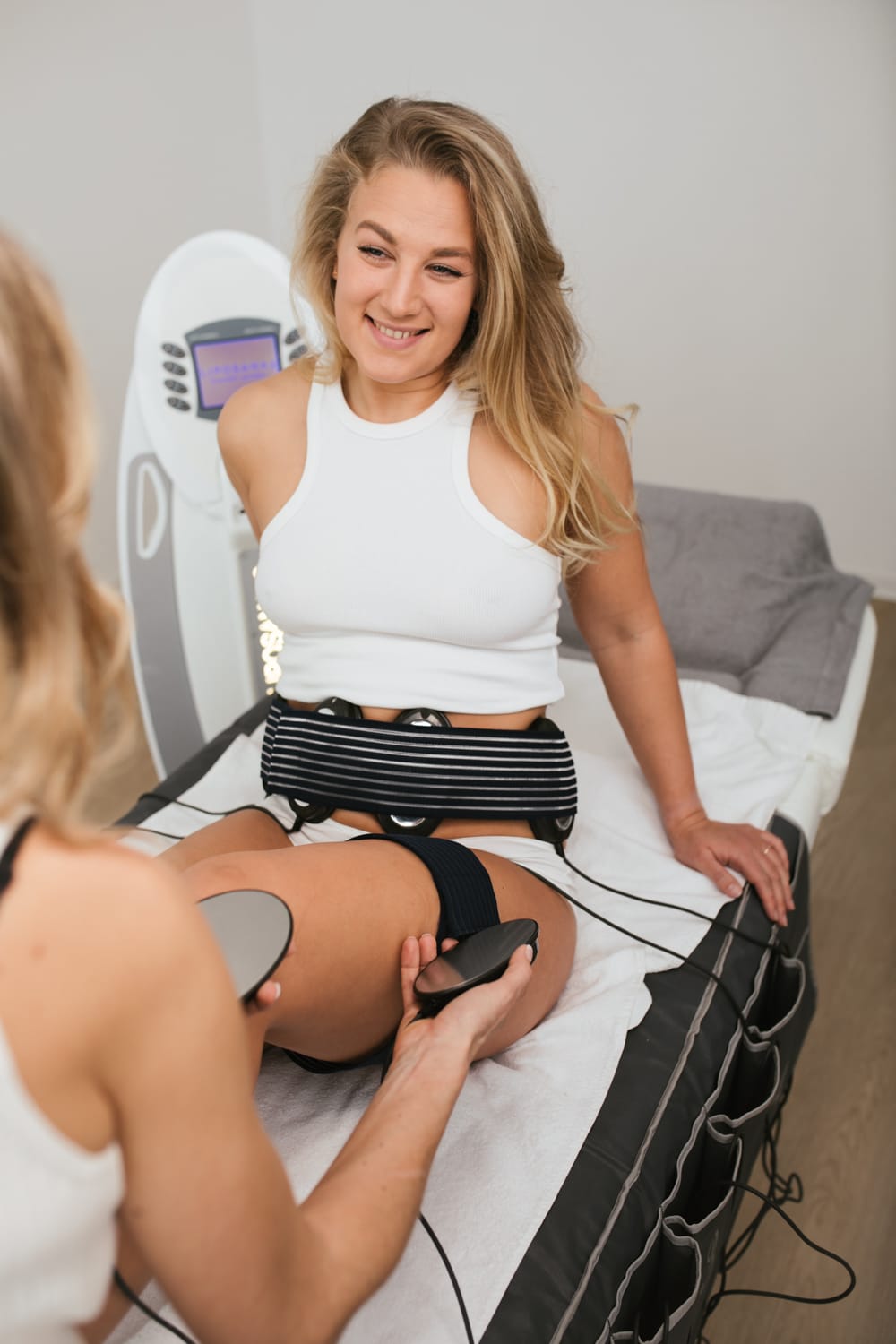
LIPOSANA3® was developed specifically for female physiology and works precisely where the classic problems arise:
Women who do 60 minutes of LIPOSANA3® 2–3 times a week often see after just a few weeks:
You are not “too weak” or “too old”. Your body has simply reacted to new circumstances in life – exactly the way it has learned to through evolution. Now you can show it that it is allowed to let go again.
If you've had enough of gradually gaining weight and finally want to feel that your body is on your side again – take a calm look at LIPOSANA3®. Most women who have tried it say one sentence afterwards: “I wish I had known about this 5 years earlier.”
You still have plenty of time to flip the switch. Your body is just waiting for it. ♡
(More information and studios near you: liposana3.com)
Note: This article is for general information only and does not replace medical advice, diagnosis or treatment.
Read more

Body & Metabolism
After 40, the body responds differently: hormones, metabolism, the lymphatic system and stress interact. An overview of the hidden causes.
Body & Metabolism
Insulin resistance is not a passing fad. What lies behind it, how it develops and what role it plays when it comes to being overweight.
Body & Metabolism
Acidosis is a controversial topic. Part 1 sorts myths from scientific findings and offers tips for a balanced diet.