

Body & Metabolism
Why Can't I Lose Weight Despite Dieting? The Hidden Causes in Women Over 40
After 40, the body responds differently: hormones, metabolism, the lymphatic system and stress interact. An overview of the hidden causes.
Acidosis is a controversial topic. Part 1 sorts myths from scientific findings and offers tips for a balanced diet.
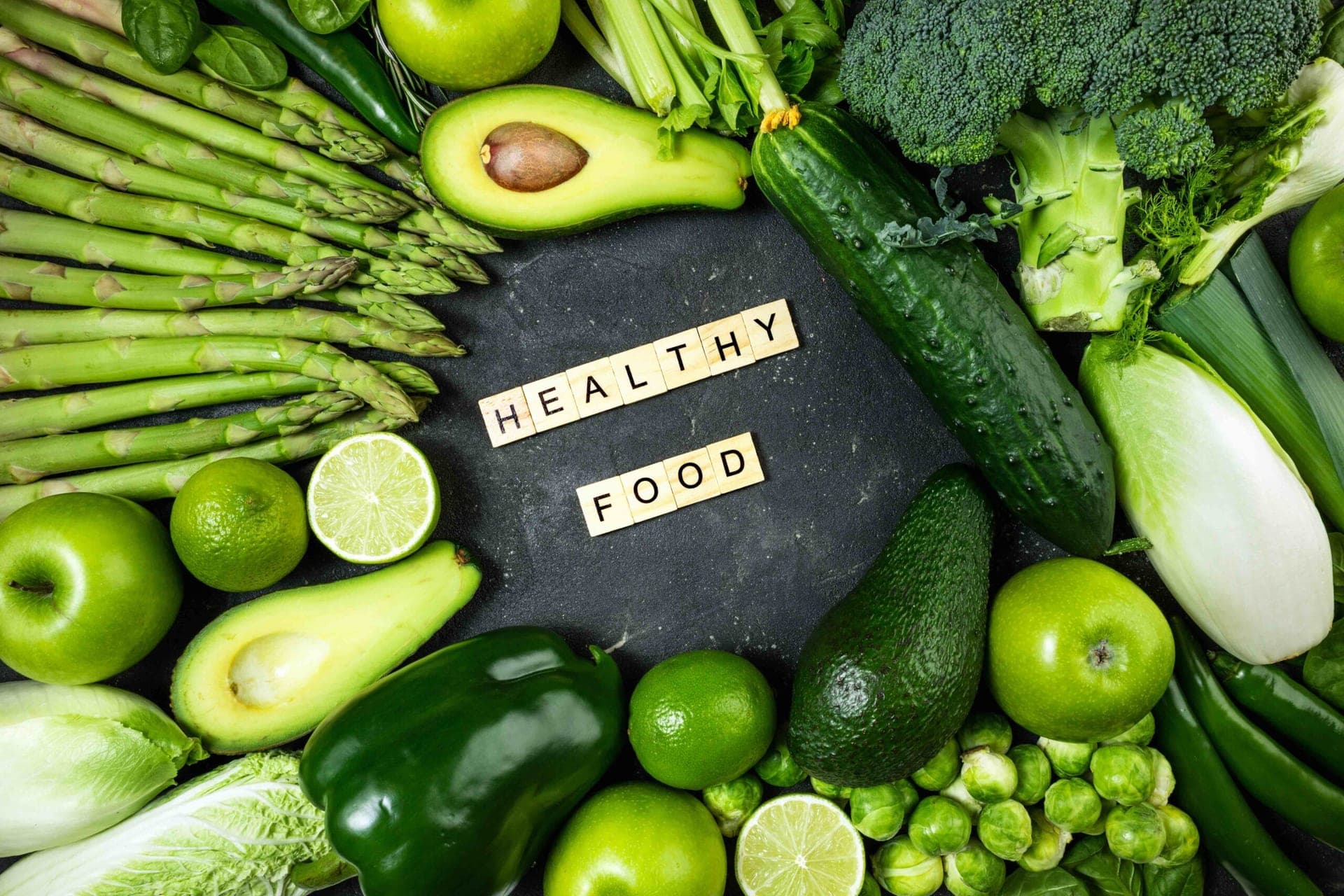
Acidosis – a controversial topic that has stirred up debate for years and given rise to countless opinions and theories. But what is really behind the term “over-acidification”? In this comprehensive article, we take a deep dive into the subject, analyse scientific findings and share healthy nutrition tips to give you a thorough understanding of the topic.
Introduction
The idea that an acid-heavy diet and an unhealthy lifestyle can over-acidify the body and promote disease has attracted more and more attention in recent years. Proponents of the acidosis theory argue that our modern diet is rich in acid-forming foods such as meat, sugar and processed foods. These foods are supposedly causing the body's pH to fall out of balance, which in turn could cause health problems.
The acidosis hypothesis
The acidosis hypothesis states that an acidic body pH – a state in which the pH is below 7.35 – is associated with various health problems. These include fatigue, digestive problems, skin problems and even more serious conditions such as osteoporosis and cancer.
Supporters of this theory claim that reducing acid-forming foods and eating more alkaline foods can balance the body's pH and improve health. But what do scientific studies say? Is there really convincing evidence that acidosis is a serious health problem?
Scientific studies on acidosis
To answer this question, we need to take a closer look at scientific studies that deal with the topic of acidosis. There are indeed some studies that support the idea that an acidic diet may be linked to health problems.
An important and frequently cited study was published in 2018 in the “Journal of Bone and Mineral Research”. This study found that people associated an acidic diet with a greater loss of bone mineral density. This suggests that an acid-heavy diet could increase the risk of osteoporosis.
Another study from 2016, published in the “Nutrition Journal”, found that an alkaline diet rich in fruit and vegetables was associated with a reduction in inflammatory markers in the body. This is highly significant, as inflammation is often linked to various health problems such as heart disease, diabetes and cancer.
Expert opinions on acidosis
In addition to scientific studies, there are also expert opinions that support the idea of acidosis. Dr. Jane Smith, a leading nutrition scientist, emphasises that a diet with a high proportion of alkaline foods can help reduce inflammation and increase general well-being. She believes that an alkaline diet can be a useful addition to a healthy lifestyle.
In the second part of this article, we will take a deeper look at the role of nutrition in acidosis, consider foods that are regarded as acidic or alkaline, and provide healthy nutrition tips for a balanced acid-base ratio.
The role of nutrition in acidosis
In Part 1 of this article, we looked at the acidosis hypothesis, scientific studies and expert opinions that support the idea that an acidic diet may be linked to health problems. In this part, we will look more closely at the role of nutrition in acidosis and find out which foods are considered acidic or alkaline.
Acid-forming foods vs. alkaline foods
One of the basic ideas of the acidosis theory is the distinction between acid-forming and alkaline foods. Acid-forming foods are assumed to lower the body's pH and thus over-acidify the body. These include meat, dairy products, refined sugar and carbonated drinks.
Alkaline foods, on the other hand, are said to help raise the body's pH and thus create an alkaline environment. These include leafy green vegetables, fruit, nuts and seeds.
The truth about acidic foods
It is important to note that not all acidic foods actually over-acidify the body. For example, lemons and tomatoes taste sour but are converted into alkaline substances in the body. These foods can even help neutralise acid in the stomach.
Healthy nutrition tips for a balanced acid-base ratio
If you are interested in promoting an alkaline diet and supporting the acid-base balance in your body, you can follow these nutrition tips:
In the third part of this article, we will look at the controversy surrounding the acidosis theory and ask whether it really is a serious health problem or whether other factors play a bigger role
The controversy surrounding the acidosis theory
Having looked at the acidosis hypothesis, scientific studies and nutrition tips in the previous parts, it is important to discuss the controversy surrounding the acidosis theory. Although there are studies linking the idea of an acidic diet to health problems, there are also scientists and experts who question this theory.
Criticism of the acidosis theory
One of the main criticisms of the acidosis theory is that the human body has sophisticated mechanisms for regulating the acid-base balance. This means that blood pH is kept within a narrow range, usually between 7.35 and 7.45. The body can effectively neutralise and excrete excess acids to maintain this balance.
Another objection to the theory is that it often leads people to avoid certain food groups completely, which can result in unbalanced eating habits. A balanced diet that includes a wide variety of foods is often considered healthier.
Other factors in health
The controversy surrounding the acidosis theory points to the fact that health depends on many factors, not just the acid-base balance of the diet. Lifestyle factors such as exercise, stress management, sufficient sleep and genetic predispositions also play a decisive role.
Conclusion
The acidosis theory is a controversial topic that continues to be debated. While some scientific studies and experts support the idea that an alkaline diet can have health benefits, there are also critics who point out that the body is well able to maintain its acid-base balance.
In Part 4 of this article, we will conclude by emphasising the importance of a balanced diet and a healthy lifestyle. We will also cite a recent study that highlights the health-promoting aspects of an alkaline diet and lifestyle.
The importance of a balanced diet and a healthy lifestyle
Whether or not you subscribe to the acidosis theory, there is one universal truth: a balanced diet and a healthy lifestyle are crucial for your health. The way you eat and the way you look after your body influence your well-being and your risk of various diseases.
Nutrition tips for a healthy lifestyle
The study supporting the alkaline diet
Finally, we would like to cite a recent study that highlights the health-promoting aspects of an alkaline diet and lifestyle. The study, published in the “Journal of Nutritional Science” in 2022, examined the effects of an alkaline diet on the health of participants over a period of two years.
The results showed that those who followed an alkaline diet and limited acidic foods experienced a significant improvement in bone health, inflammatory markers in the blood and general well-being. These results suggest that an alkaline diet can have positive effects on health.
Conclusion
The acidosis theory may be controversial, but it has helped draw attention to the importance of a balanced diet and a healthy lifestyle. Whatever your opinion on acidosis, it is crucial to take good care of your body and make well-informed nutrition decisions.
Remember that health is complex and influenced by many factors. Always consult a qualified healthcare professional if you have questions about nutrition and health, so that you can make the best possible decisions for your individual needs.
We hope this comprehensive article has helped you gain a better understanding of acidosis and encouraged healthy eating habits.
Note: This article is for general information only and does not replace medical advice, diagnosis or treatment.
Read more

Body & Metabolism
After 40, the body responds differently: hormones, metabolism, the lymphatic system and stress interact. An overview of the hidden causes.

Body & Metabolism
Why the scales slowly creep up for many women from their mid-30s, even though they hardly eat more – explained in plain language.

Body & Metabolism
Insulin resistance is not a passing fad. What lies behind it, how it develops and what role it plays when it comes to being overweight.